
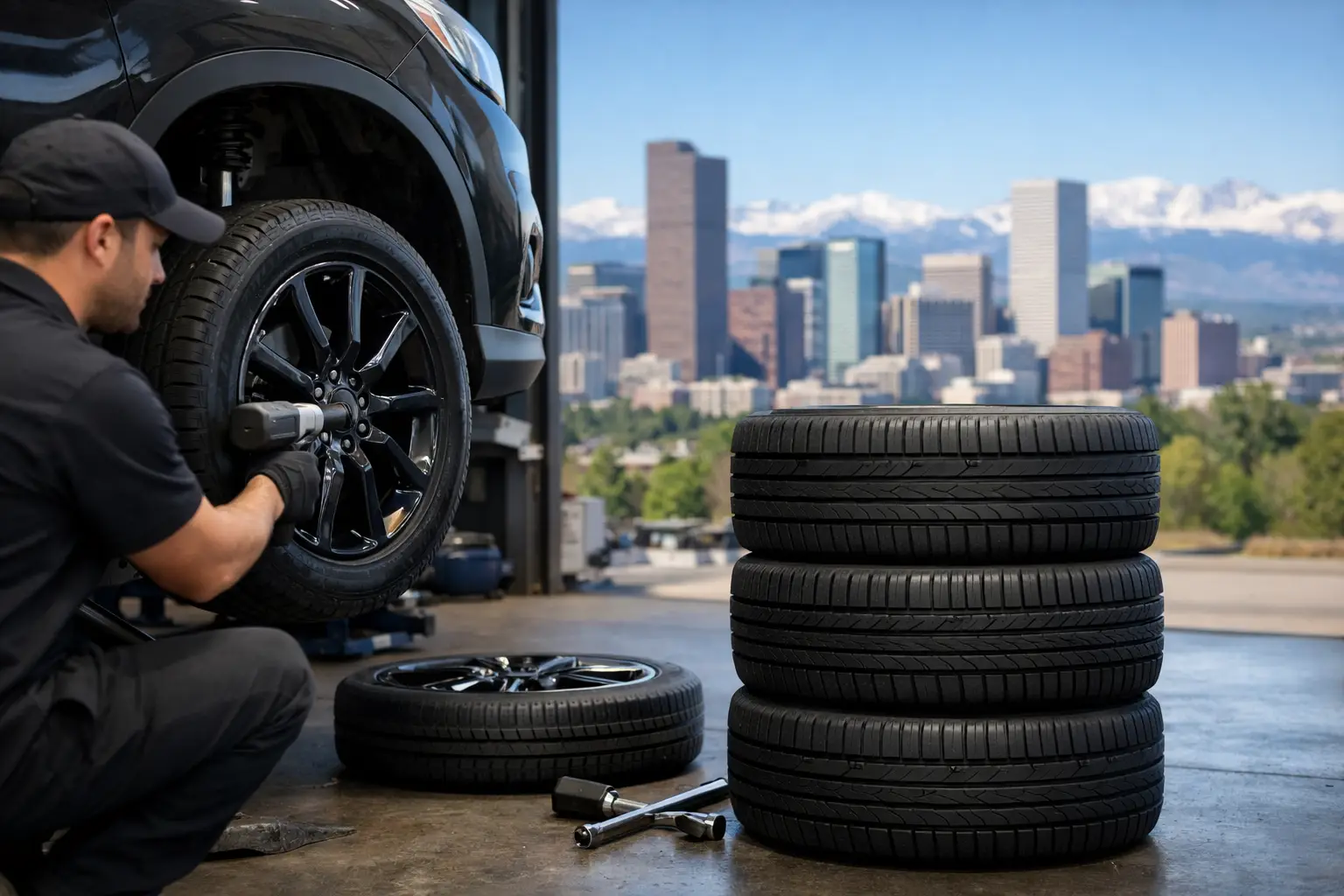
A tire appointment should not take over your entire day. If you are wondering how long tire installation takes, the straightforward answer is usually 45 to 60 minutes for a standard set of four tires. The real answer depends on your vehicle, the condition of the wheels and tires, whether balancing is needed, and where the work is performed.
At a traditional shop, the installation itself may be quick, but the total time can stretch because of check-in lines, service-bay backlogs, and waiting for the vehicle to be brought in. Mobile tire service changes that equation by bringing professional equipment and an experienced technician to your driveway, workplace, or parking lot. You can keep working, handle errands nearby, or stay home while the service is completed.
How Long Does Tire Installation Take?
For most passenger cars, SUVs, and light trucks, installing four new tires typically takes about one hour once the technician begins work. That timing generally includes removing the current wheels, dismounting old tires, mounting new tires, installing or servicing valve stems as needed, balancing the wheel-and-tire assemblies, reinstalling the wheels, and tightening lug nuts to the manufacturer’s torque specification.
A single tire replacement can take less time, often 30 to 45 minutes. However, one tire is not always a simple job. If a wheel is damaged, the tire pressure monitoring system requires attention, or the tire size needs to be verified against the vehicle, the appointment may take longer for good reason.
A seasonal wheel swap is usually faster than mounting new tires. If you already have winter tires mounted on their own wheels, a technician can remove the summer wheel set, install the winter set, check pressures, and torque the lug nuts in roughly 30 to 60 minutes. That is one reason many Denver drivers choose dedicated wheel sets for seasonal changes.
What Happens During a Professional Tire Installation?
Fast service should never mean rushed service. A proper installation follows a clear sequence designed to protect your wheels, preserve ride quality, and keep the vehicle safe at highway speeds.
First, the vehicle is safely lifted with appropriate equipment and the wheels are removed. The technician inspects the tires being replaced, along with visible wheel condition, valve stems, and mounting surfaces. If the old tires show uneven wear, that can point to an alignment, suspension, or inflation issue worth addressing before it shortens the life of the new set.
Next, the old tire is removed from the wheel and the new tire is mounted using profesional-grade equipment. The wheel is balanced to reduce vibration and support a smooth ride. On vehicles with TPMS sensors, the technician also takes care to avoid damaging the sensors during dismounting and mounting. Depending on the service needed, TPMS sensors may be replaced, installed, or reset.
Finally, the wheels are installed, tires are inflated to the appropriate pressure, and lug nuts are tightened with a precision torque wrench. This final step matters. Over-tightened or unevenly tightened lug nuts can damage wheel components and make roadside service harder later. Proper torque is not an optional finishing touch.
Factors That Can Add Time to Tire Installation
Most appointments stay within the expected window, but several conditions can affect the timeline. Knowing about them ahead of time helps you plan without assuming every tire change will be identical.
Tire Type and Vehicle Size
Low-profile tires, run-flat tires, oversized truck tires, and specialty performance tires can require more care and time than conventional passenger-car tires. Their stiff sidewalls or larger dimensions may make mounting more demanding. Large wheels and commercial applications can also require additional handling and inspection.
Wheel Condition
Corrosion around the wheel hub, stuck lug nuts, bent wheels, or damaged valve stems can slow the process. Denver’s changing weather, road treatments, and normal driving wear can all contribute to corrosion. A skilled technician will take the time to address these issues safely rather than forcing components and creating a bigger problem.
TPMS Service
Many modern vehicles use tire pressure monitoring sensors inside the wheels. If a sensor battery has failed, a sensor is damaged, or the vehicle needs a relearn procedure after service, plan for additional time. This work helps ensure your dashboard warning system can continue to alert you when a tire is underinflated.
Tire Balancing and Inspection Needs
Balancing is part of a complete installation, not a shortcut to skip when the schedule is tight. It can take longer if a wheel requires extra weights or if an issue becomes apparent during the process. A technician may also identify irregular tire wear, a leaking valve, wheel damage, or a puncture that needs to be discussed before the vehicle returns to the road.
Shop Time vs. Total Time Out of Your Day
The biggest difference between shop service and mobile service is not always the hands-on installation time. It is the time you spend arranging the appointment around it.
At a tire shop, you may need to drive there, wait in line, hand over your keys, find a place to sit, arrange a ride, and return later if the shop is busy. Even when the actual work takes an hour, the experience can consume several hours. During the first cold snap or an unexpected Denver snowstorm, wait times can become especially unpredictable.
With mobile installation, the technician comes to your approved location with the equipment needed to mount, balance, inflate, inspect, and torque your tires on-site. The appointment still needs a safe, accessible work area, but you avoid the shop commute and the disruption of being without your vehicle in an unfamiliar location. Real-time status updates also make it easier to know when service is underway and when your vehicle is ready.
How to Help Your Tire Appointment Stay on Schedule
A little preparation helps the technician get started promptly and helps protect the quality of the work. Park on a firm, reasonably level surface with enough space around the vehicle. A driveway, office parking space, or open lot is often ideal. Avoid soft ground, steep slopes, narrow spaces, or areas with heavy traffic whenever possible.
Make sure the wheel lock key is available if your vehicle uses locking lug nuts. If you are supplying your own tires or wheels, confirm the tire size and bring the complete set to the service area beforehand. Let the technician know about any TPMS warning light, vibration, damaged wheel, slow leak, or recent tire issue. Those details can prevent surprises and allow the right equipment or replacement parts to be prepared.
For fleet vehicles, clear communication is even more valuable. Sharing the vehicle location, tire size, axle position, and urgency of the issue helps minimize downtime. A delivery van with a flat tire has different operational stakes than a personal vehicle parked at home, and the service plan should reflect that.
When a Tire Installation May Take Longer Than Expected
There are times when the safest answer is not the fastest one. If a technician finds cracked wheels, severely corroded components, mismatched tires, unsafe tread conditions on the remaining tires, or suspension concerns, a few extra minutes of inspection can save you from a much larger interruption later.
Tire availability can also affect the overall timeline. If you need a specific size, brand, load rating, or winter tire during a high-demand period, purchasing and scheduling may take longer than the installation itself. Booking ahead for seasonal tire changes is the best way to secure a convenient appointment before Denver weather makes tire service urgent for everyone at once.
Mobile Tire Installation That Respects Your Time
Professional mobile service is built around the idea that tire work should fit your schedule, not force you to reorganize it. Tires Xpress brings tire-shop capability to Denver-area drivers with mobile service rigs equipped for mounting, balancing, tire pressure service, inspection, and proper wheel torque.
Whether you are replacing worn tires at home, changing to winter tires at the office, or getting a fleet vehicle back in operation, expect the actual work to be thorough rather than hurried. For a standard four-tire installation, setting aside about 60 to 90 minutes at your location is a practical plan. That time buys more than new rubber – it gives you a professionally prepared vehicle without giving up a day to the waiting room.
Before your next tire appointment, choose a safe service location, have your wheel lock key ready, and schedule before your tread or the weather turns a routine replacement into an urgent problem.