
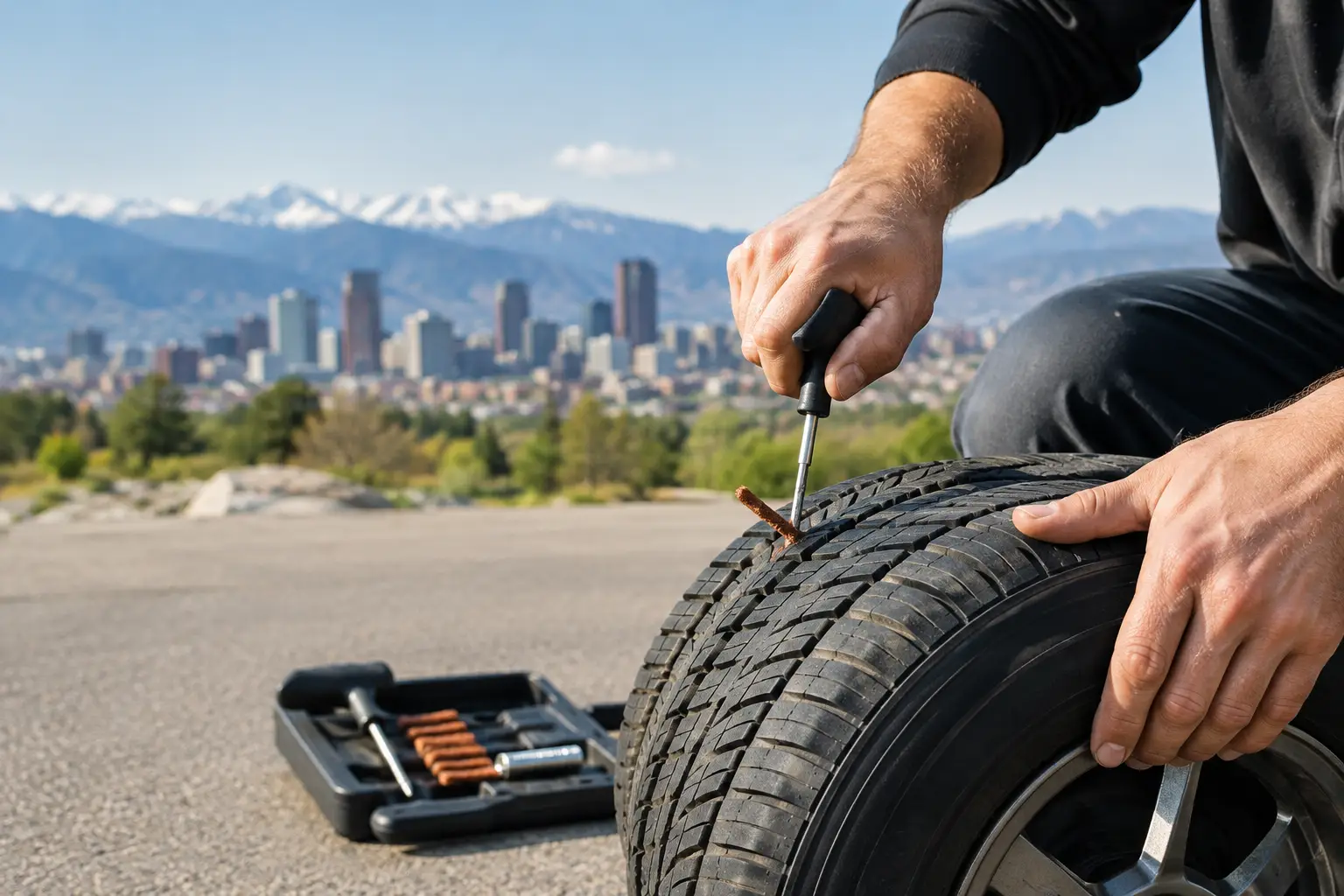
A dashboard low-pressure warning or the unmistakable thump of a flat can derail a morning fast. If a nail is sitting in the tread, the tempting question is simple: are tire plugs safe enough to get back on the road? Sometimes, for a limited situation. But a plug is not automatically a complete tire repair, and treating every puncture the same can turn a small inconvenience into a safety problem.
The location, size, and cause of the damage matter more than the object in the tire. A professional inspection is the quickest way to determine whether your tire can be repaired safely or whether replacement is the better call.
Are Tire Plugs Safe for Everyday Driving?
An externally installed tire plug can seal a small puncture in the center tread area and may hold air effectively. It is often useful as a temporary roadside measure when a driver needs to move the vehicle out of danger or get to a repair location. High-quality plug materials and correct installation make a real difference.
Still, a plug inserted from the outside has a limitation: it does not allow the technician to inspect the inside of the tire. A puncture can damage the inner liner, belts, or sidewall in ways that are not visible from the tread. The tire may also have been driven while underinflated, creating internal damage that no plug can correct.
For that reason, the preferred professional repair for an eligible puncture is generally a combination patch-and-plug repair installed from inside the tire. The tire is removed from the wheel, inspected internally, repaired through the injury channel, and sealed at the inner liner. This process addresses both the air path and the interior of the tire.
A properly performed internal repair can be dependable for the remaining usable life of the tire. An outside-only plug should not be assumed to offer that same level of confidence for daily commuting, highway speeds, mountain driving, or fleet operation.
When a Tire Can Usually Be Repaired
A tire is more likely to qualify for repair when the puncture is small, clean, and located in the repairable center portion of the tread. The industry standard is typically a puncture no larger than 1/4 inch in diameter. A straight nail or screw through the tread is often the best-case scenario, assuming the tire was not driven flat.
The technician also needs to check tread depth and the tire’s overall condition. Repairing a tire with severely worn tread, cracking, bulges, prior questionable repairs, or significant age-related deterioration may not make sense. A repair needs sound tire structure around it.
The key detail is that the tire must be demounted for a proper decision. Seeing a screw in the tread tells only part of the story. Inspection of the interior reveals whether the liner is intact and whether there are abrasion marks or heat damage from low-pressure driving.
Damage That Should Not Be Plugged
Some tire damage is not repairable, regardless of how slowly the leak appears to be losing air. Continuing to drive on a compromised tire risks a sudden loss of pressure, poor handling, and further damage to the wheel.
A technician should recommend replacement rather than a plug or patch when there is:
- A puncture in the sidewall or shoulder area, where the tire flexes heavily
- A hole larger than 1/4 inch, an irregular tear, or damage from a road hazard that ripped the rubber
- Evidence the tire was driven flat or significantly underinflated, including internal liner scuffing or rubber debris
- A bulge, separated belt, exposed cords, deep cracking, or multiple repairs too close together
Sidewall and shoulder damage deserve special attention. These areas carry tremendous flex as the tire rotates, so they cannot safely support a conventional puncture repair. A plug may appear to stop the leak temporarily, but the tire’s structure remains compromised.
Run-flat tires add another variable. Some run-flat tires can be repaired under specific manufacturer conditions, while others must be replaced after losing pressure. The vehicle owner’s manual, tire manufacturer guidance, and an internal inspection should guide that decision.
The Risk of Driving on a Plugged Tire
The biggest risk is not that every plug will fail. Many drivers have used plugs without an immediate issue. The problem is uncertainty. If the tire has hidden internal damage or the puncture falls outside the repair zone, an outside plug can create false confidence while the tire continues to weaken.
At Denver highway speeds, a pressure loss can affect braking, steering response, and vehicle stability. It can also destroy an otherwise repairable tire if the driver continues on it while low. Colorado’s changing temperatures can make a marginal leak more noticeable, too, because tire pressure naturally drops as temperatures fall.
If you have an emergency plug installed, check pressure frequently and arrange a professional inspection as soon as practical. Do not exceed the tire’s recommended inflation pressure in an effort to compensate for a leak. Use the pressure listed on the vehicle’s driver-door placard, not the maximum pressure molded into the tire sidewall.
What a Professional Flat Repair Looks Like
A proper repair is more involved than inserting material into a hole. The wheel is removed, the tire is demounted, and the interior is inspected for damage. The injury is then prepared, a repair unit is installed from the inside, and the tire is remounted and inflated to specification.
The technician should also inspect the valve stem, wheel condition, tread depth, and remaining tires. If the vehicle has a tire pressure monitoring system, the TPMS warning should be addressed after the repair and pressure adjustment. Finally, lug nuts must be tightened with a precision torque wrench to the vehicle manufacturer’s specification.
That process takes more time than a quick plug, but it is time spent answering the safety questions that an exterior-only repair cannot answer. It also helps prevent repeat leaks, avoidable tire replacement, and the frustration of finding the same tire low again on the way to work.
What to Do When You Find a Nail or Screw
If the tire is holding air, leave the nail or screw in place until it can be inspected. Removing it in a driveway or office parking lot can turn a manageable slow leak into an immediate flat. Check the pressure, avoid aggressive driving, and do not rely on a tire inflator as a permanent solution.
If the tire is visibly low, do not continue driving on it. Driving even a short distance on a low-profile or underinflated tire can damage the sidewall internally. Pull over safely, use your spare if appropriate, or arrange professional service where the vehicle is located.
For drivers who cannot lose half a day at a repair shop, mobile tire service provides a practical alternative. A trained technician can inspect the tire at your home, workplace, or parking location using professional-grade equipment, explain whether it qualifies for repair, and complete the right service without adding a shop visit to your schedule. Tires Xpress brings that capability directly to Denver drivers who need a clear answer and dependable work.
A tire plug can be useful in the right emergency, but the safest next move is not guessing. Have the tire inspected before you trust it with your commute, your family, or your next highway trip.